


October 27, 2026
Life Beyond Runways: What 150 Feet Changes in Manhattan

By Marc Allen, CEO, Electra
The decisive aircraft in the next era of aviation — the electric propulsion era — will be those that deliver faster, more convenient, distributed travel networks for the people who use them.
Yesterday, in what was a historic flight, we showed what the infrastructure for that future looks like, in one of the most demanding places we could find: lower Manhattan. The good news — the infrastructure already exists!
At Electra, we are advancing Direct Aviation, a new model of regional travel that takes people from where they are to where they want to go. To deliver that promise at scale, advanced air mobility aircraft must meet the Rule of Six: access and quiet, payload and range, affordability and safety. Travelers need to get closer to their destinations, carry what they need, and fly far enough to make the trip worthwhile, at a price they can afford. Communities need quieter operations. Safety must underpin everything.
I’ve spent much of my career in aviation. I’ve learned many lessons along the way, and at the top of the list, I am persuaded the only practical way to bring Rule of Six capabilities together is in an Ultra Short aircraft — a fixed-wing aircraft with hybrid-electric power that defies all past expectations by operating like a helicopter.
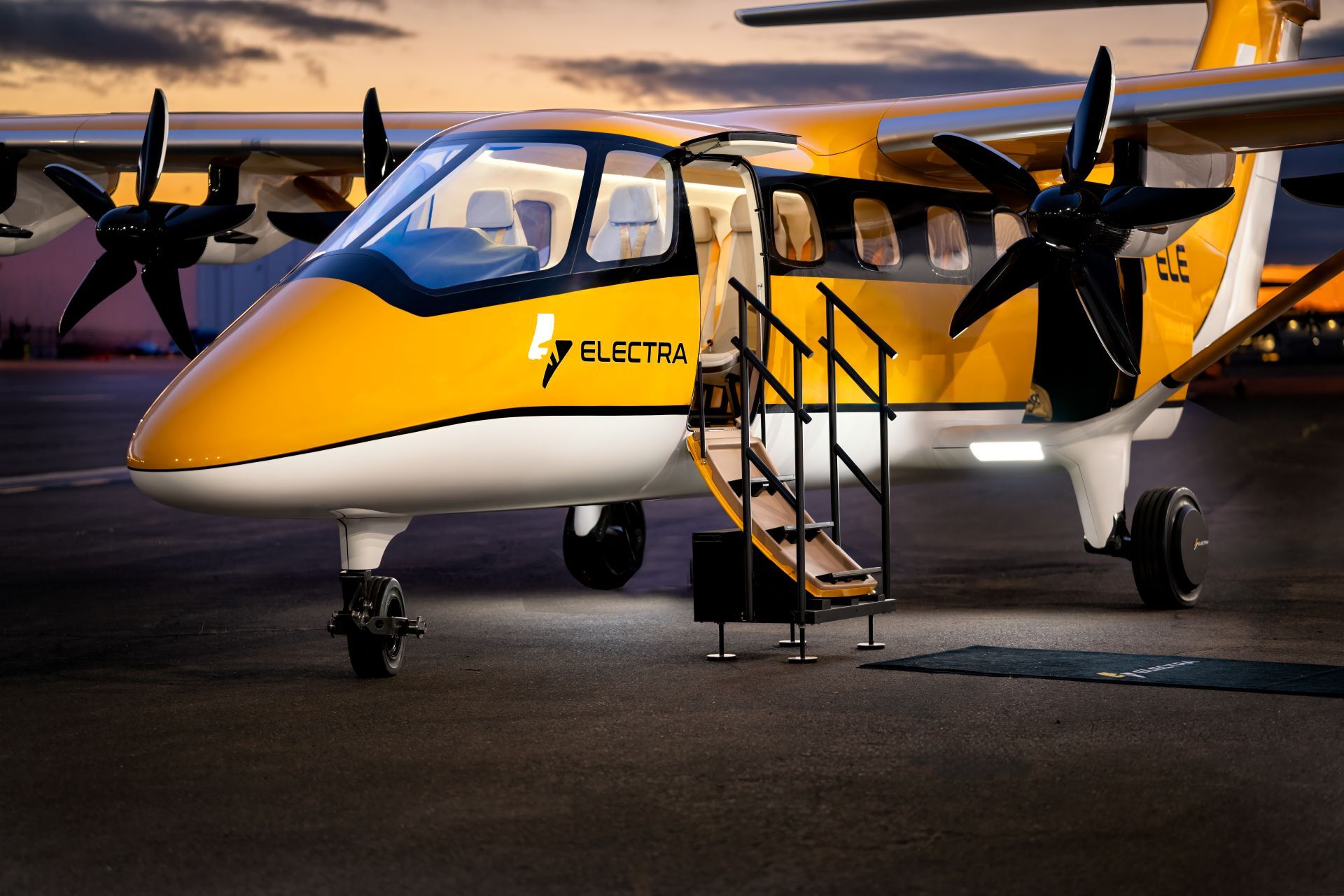
The specific combination of technical advances that the Ultra Short consolidates matters. Wings provide efficient flight. Electric propulsion enables blown lift, allowing our Ultra Short aircraft to take off and land in remarkably little space — 150 feet. Hybrid power provides the range and payload needed for useful regional trips without depending entirely on today’s batteries — providing a new level of safety.
Just like the aircraft, the infrastructure where Ultra Short aircraft operate has to be super practical. It has to be close to where people want to go; affordable to build and operate; and, if at all possible, pre-existing. The Ultra Short access points we’ve been operating out of — all over the country — meet that standard.
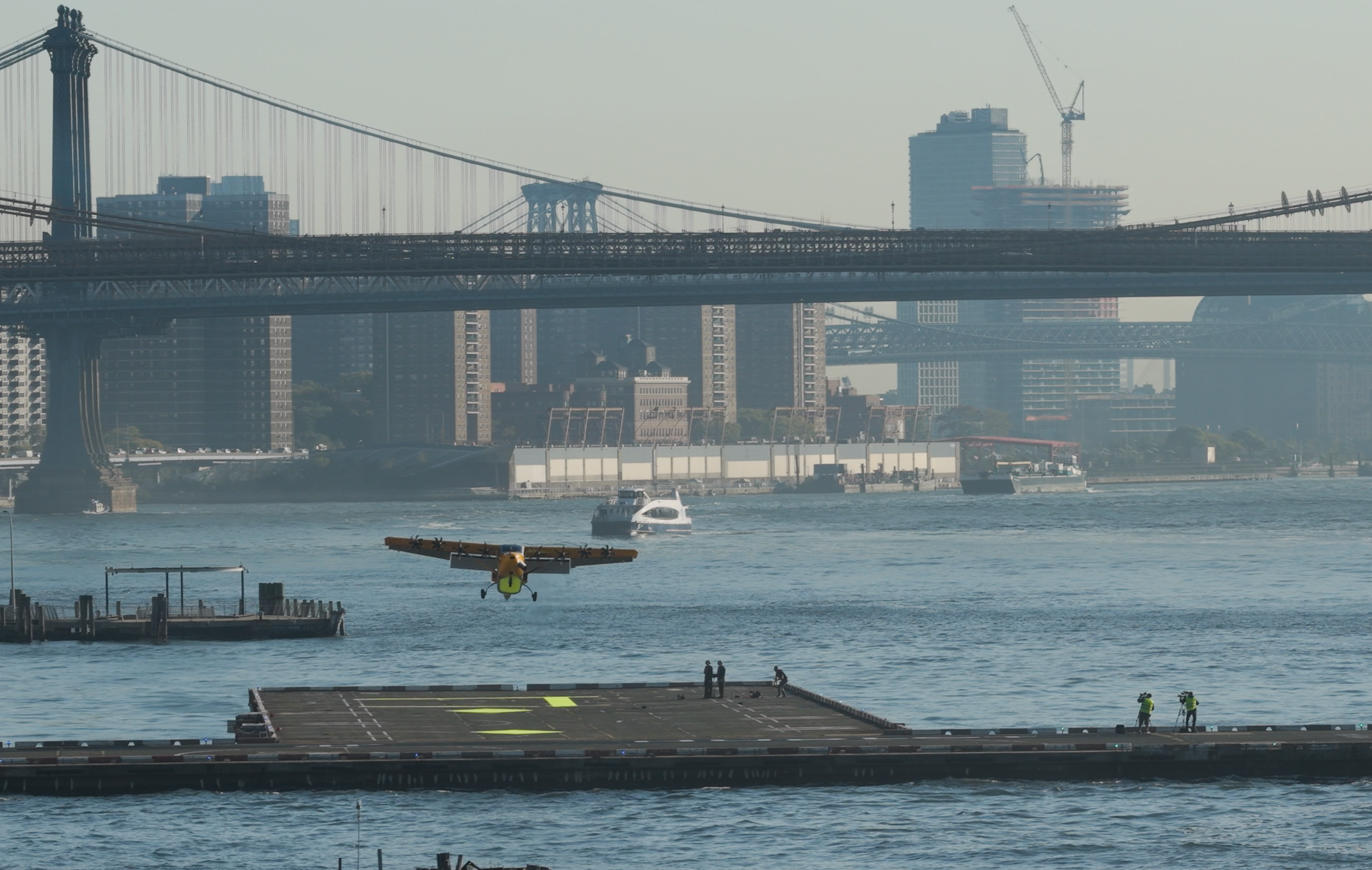
To put an exclamation mark on the point, we went to the place where every foot of space counts. We landed our EL2 technology demonstrator at the Downtown Skyport in Manhattan, marking the first time a fixed-wing aircraft without vertical takeoff capability is known to have done so.
Against one of the world’s most recognizable skylines, we showed what the infrastructure for access beyond conventional runways looks like. Now’s our collective moment to rethink where airplanes can go and how broader air services can improve our lives.
Travelers have long organized their journeys around airports. It’s time to change that and to organize journeys around travelers. Ultra Short aircraft open the possibility of bringing aviation much closer to where the journey actually begins and ends.
With this landing, you can see the possibility of finishing a meeting in Manhattan and getting home to Washington or Boston in time for your kids’ soccer game. Or leaving for a weekend on Long Island without spending hours in traffic. That is the promise of Direct Aviation: more direct connections that give people their lives back.
That is why we call this series Life Beyond Runways. Each demonstration is about proving that aviation does not have to be constrained by the infrastructure that defined its first century.
Landing in Lower Manhattan was historic.
What excites me even more is what comes next: America’s leading the way in bringing aviation into people’s everyday lives, all around the world.
Recent News




Never Miss an Update.
Subscribe to Our Newsletter.
Corporate Headquarters
10761 James Payne Court, Manassas, VA, 20110
© 2026 Electra Aero. All rights reserved.