


October 16, 2026
Life Beyond Runways: What 150 Feet Changes About Aviation
By Marc Allen, CEO, Electra
For more than a century, fixed-wing aviation has been organized around the runway.
Airplanes needed places to take off and land, so we built airports around long strips of pavement and organized the aviation system around them.
But aviation has always changed when propulsion has changed.
The piston engine made powered flight practical. The turbine made aviation global. Today, we are entering a third era, enabled by electric propulsion and beginning with hybrid-electric aircraft that can deliver the range, payload and operational flexibility real-world aviation demands.
The most important thing about this third era isn’t simply how an airplane is powered. It is what new propulsion matched with proven fixed-wing aircraft design allow an airplane to do.
At Electra, one of the most consequential examples is remarkably simple: what happens when an airplane only needs about 150 feet to take off and land?
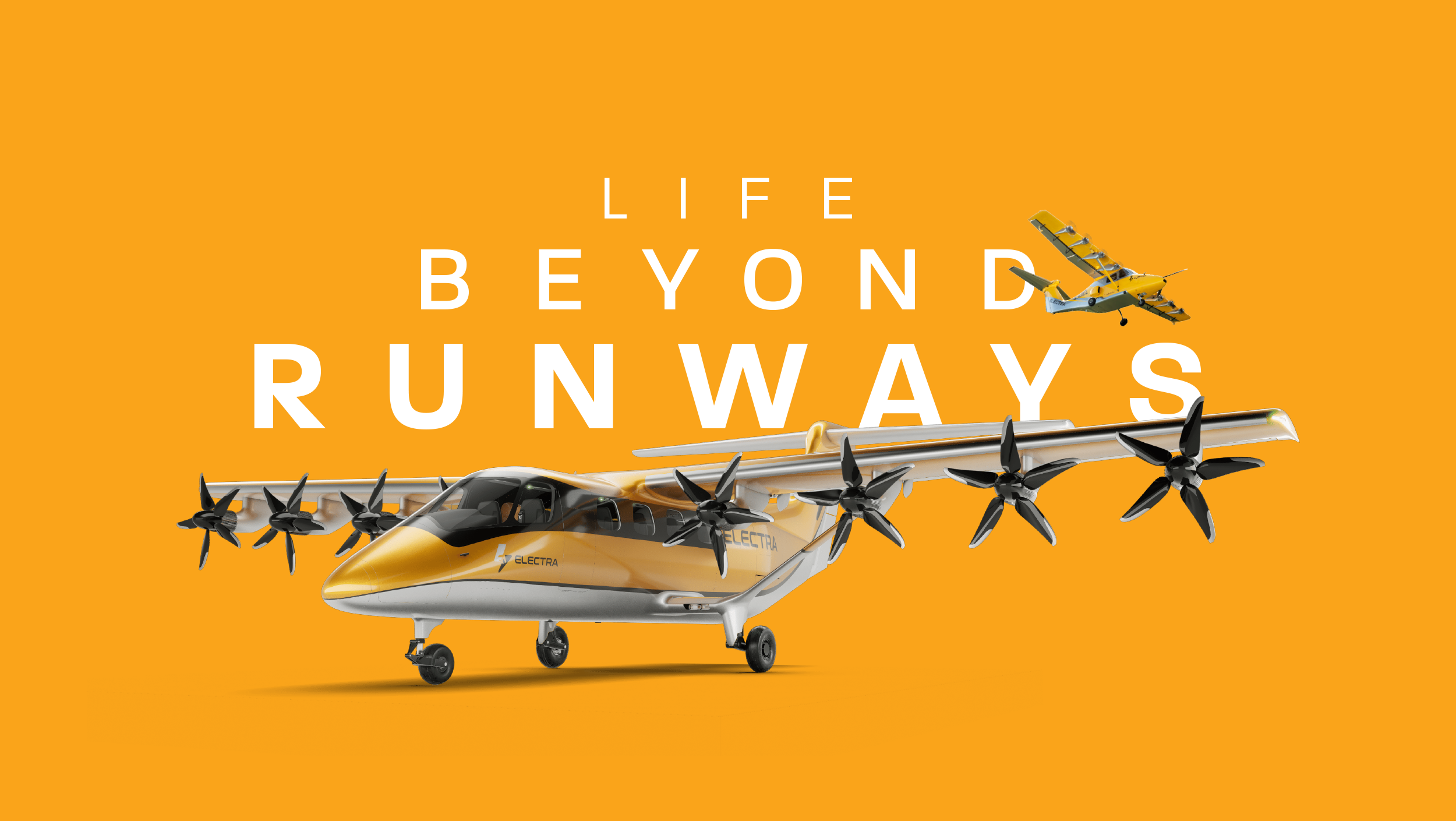
That is the question behind much of the work we are doing. And the answer is that we all get to enjoy Life Beyond Runways.
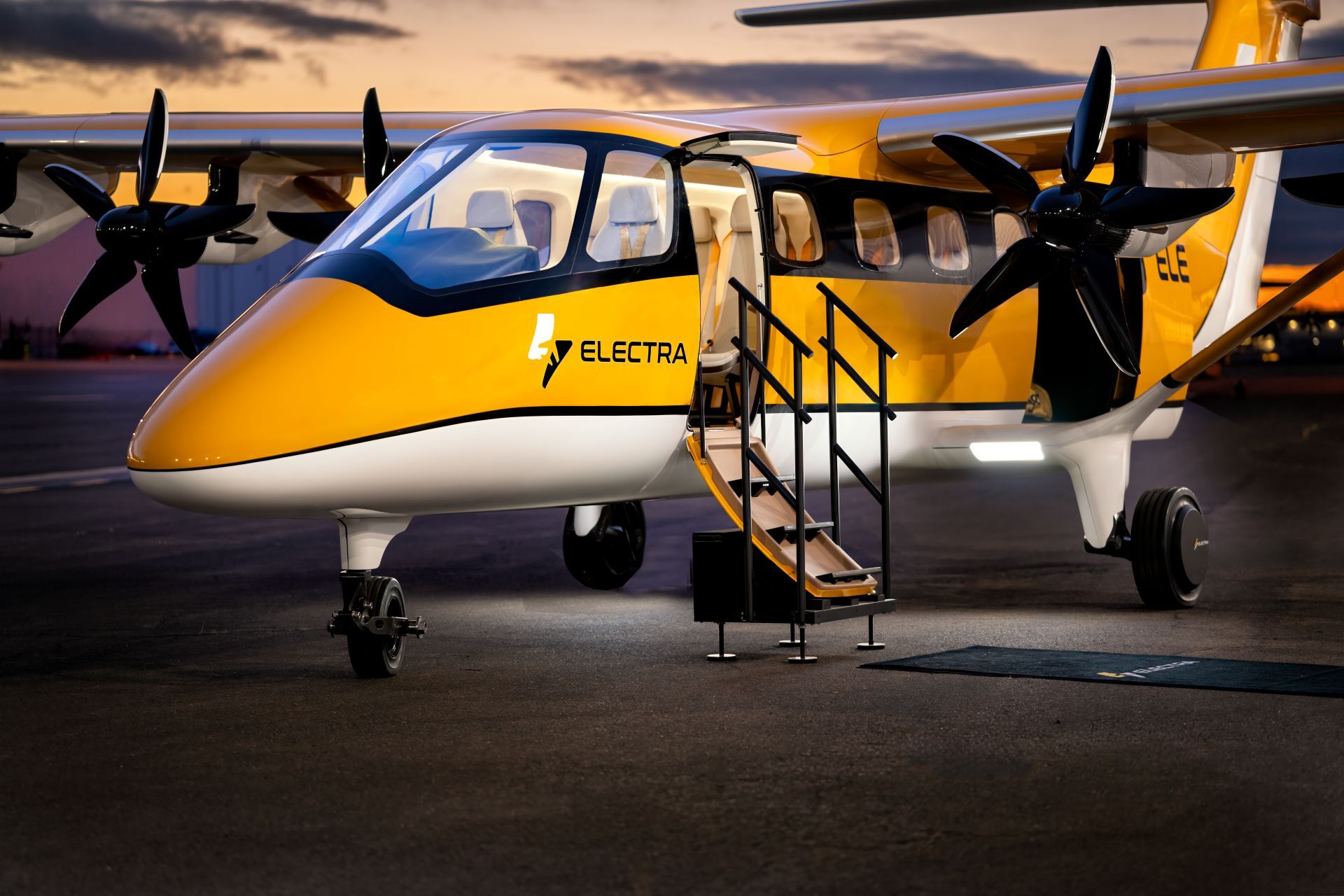
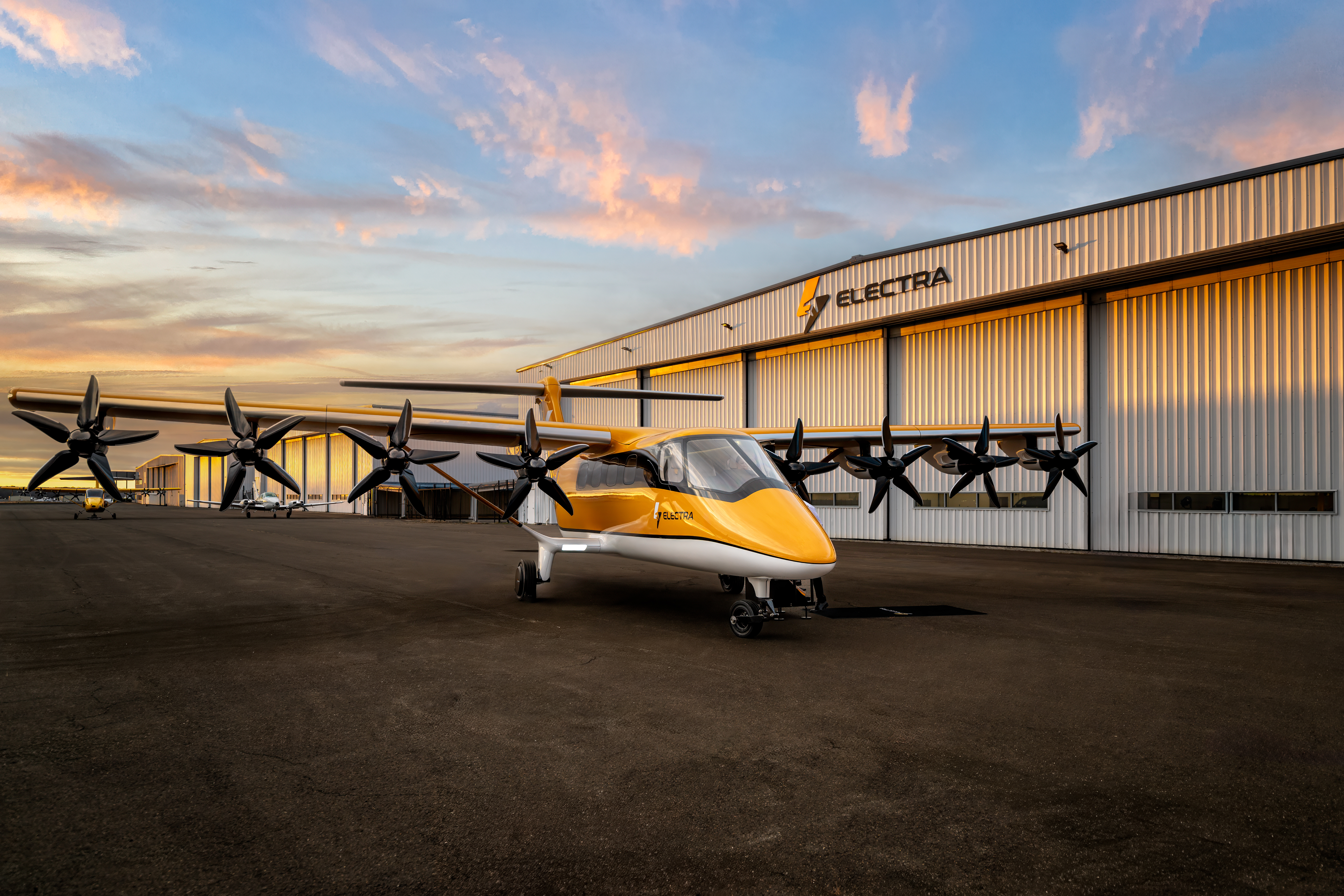
Our nine-passenger EL9 Ultra Short is being built to take off and land in approximately 150 feet while still carrying meaningful payload over practical regional distances. It combines hybrid-electric propulsion with blown-lift aerodynamics to achieve performance that changes where a fixed-wing airplane can operate. The EL9 is how we intend to put the capabilities of aviation’s third era to work at commercial scale.
We are already testing what that means in the real world.
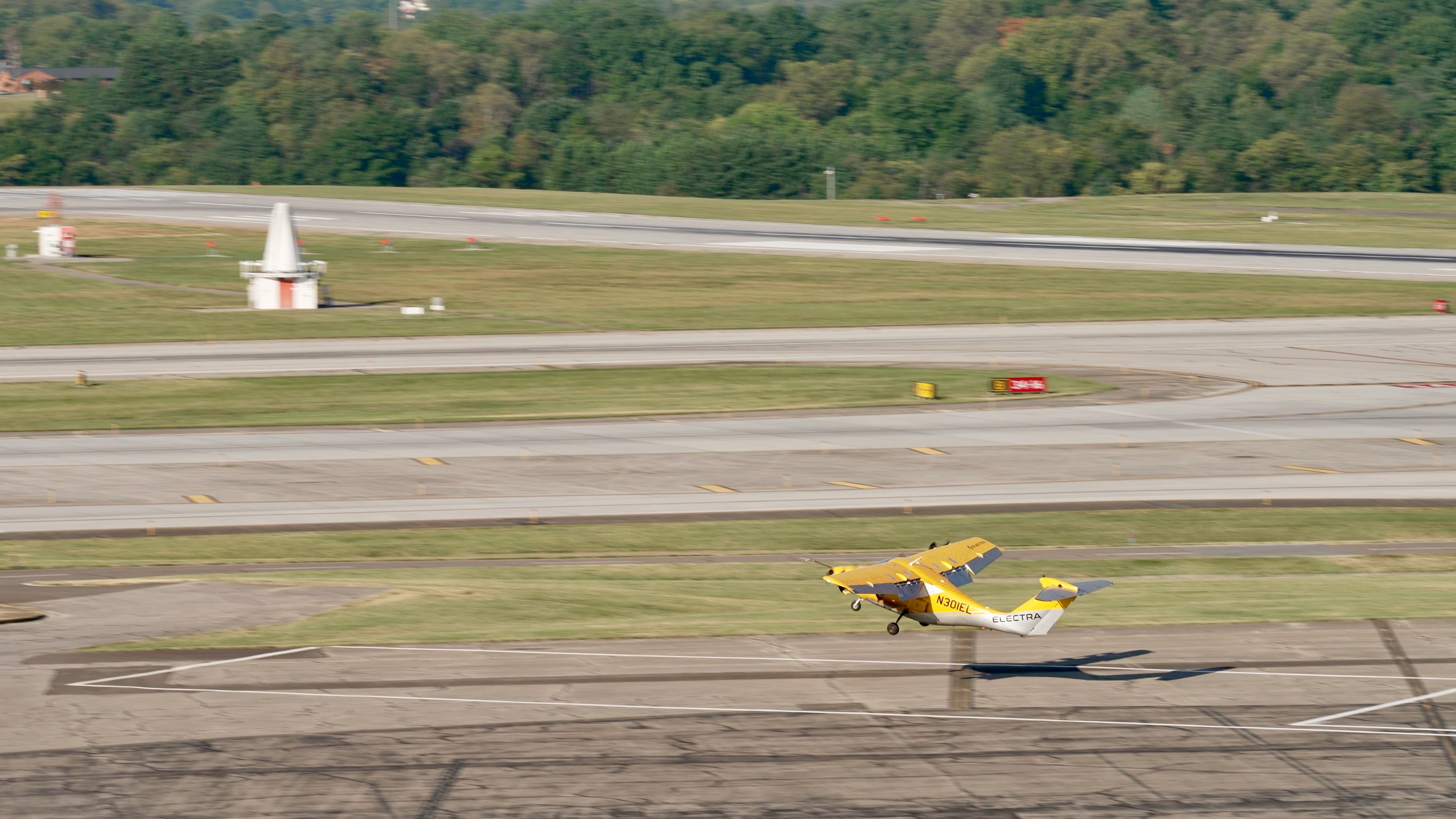
Our EL2 technology demonstrator is exactly that: a demonstrator. Its job is to validate the core technologies and operating concepts behind the EL9. We have operated it in a growing range of environments, including heliports, vertiports, drone pads, former airfields, regional and international airports, mountain destinations, urban waterfronts, marine ports and other unconventional locations.
Each flight teaches us something. But taken together, they demonstrate a much bigger idea.
If an airplane can safely operate from 150 feet, aviation no longer has to be organized exclusively around where conventional runways already exist. Existing airports remain enormously important, but they will become part of a much more distributed network that also includes smaller airfields, airport ramps and taxiways, waterfront locations and, over time, other compact access points.
But what does that actually mean for people?
It means aviation can begin to fit more naturally into the way people already live and travel.
Today, a short regional trip can still mean several hours in a car, a long drive to a major airport, or a flight itinerary that takes longer than the distance would suggest. The constraint is often not the speed of the airplane. It is everything surrounding the flight.
Direct Aviation changes that by bringing air service closer to where journeys actually begin and end.
A business traveler can reach a customer without spending most of the day in transit. A family headed to the mountains or the coast can spend more of the weekend at the destination. Communities that are geographically close but poorly connected by today’s transportation system become easier to reach.
The point is not simply to save time in the air. It is to save time door to door, across the entire journey.
Electra’s analysis shows how large that opportunity is. Americans make more than 35 million passenger driving trips every day across distances of 50 to 500 miles, including thousands of high-demand routes where more direct regional air service can save travelers hours.
That is the “Life” in Life Beyond Runways.
The technology matters because of what it changes outside the airplane: where people can go, how easily they can get there, and how much of their day they get back.
This is also why Direct Aviation is such an important expression of aviation’s third era. The piston era made flight practical. The turbine era connected the world at scale. The next era gives us the opportunity to make aviation more direct and distributed, organized not only around major infrastructure but increasingly around where people actually need to go.
That is why we continue to put this technology into real operating environments.
The EL2 lets us prove the capability today. The EL9 is the aircraft we are building to put it to work at scale.
Life Beyond Runways is about closing the distance between those two things: demonstrating what Ultra Short can do now, learning from real operations, and showing how the capabilities of aviation’s third era will change what fixed-wing aircraft can do.
A 150-foot takeoff is an impressive technical achievement.
The more important question is what those 150 feet make possible for everyone on the other side of the flight.
Recent News
.jpg)
.png)

Never Miss an Update.
Subscribe to Our Newsletter.
Corporate Headquarters
10761 James Payne Court, Manassas, VA, 20110
© 2026 Electra Aero. All rights reserved.